


Full disclosure: Dombey Capital is our own research service and our top pick here, for the reasons below. The section on where it falls short is there so you can judge whether it fits your process.
Quick comparison
| Book or source | Best for | Key topics | Price (as of October 2026) |
|---|---|---|---|
| Dombey Capital (research, not a book)Top pick | Applying the methods to live situations | Weekly Phoenix Report, weekly Options Research, Biweekly Catalyst Briefing, DombeyAI Portal | Founding Membership $1,200/year (annual only); Standard Access $80/year or $8/month; Public Archive free |
| You Can Be a Stock Market Genius | A first book on corporate events | Spin-offs, restructurings, merger securities, rights offerings, recapitalizations | See the publisher's page |
| Merger Arbitrage: A Fundamental Approach to Event-Driven Investing | Deal mechanics in depth | Deal terms, spreads, regulatory risk, hedging, deal structures | See the publisher's page |
| Risk Arbitrage: An Investor's Guide | The classic short text on the trade | Cash and stock deals, risk, the arbitrageur's process | See the publisher's page |
| Distressed Debt Analysis | Capital structures and bankruptcy | Chapter 11 process, claims, valuation, plan negotiations | See the publisher's page |
| The Art of Vulture Investing | How investors approach distress | Distressed securities, restructurings, case narratives | See the publisher's page |
| Deep Value | Activism and contrarian value | Why cheap companies attract activists, contests for control | See the publisher's page |
| Margin of Safety | Risk-averse value with special situations | Value discipline, spin-offs, liquidations, bankruptcies | Out of print; used copies vary |
| Security Analysis (sixth edition) | The reference text | Asset values, earnings power, senior securities | See the publisher's page |
| The Intelligent Investor (revised edition) | The temperament behind it all | Margin of safety, market moods, defensive and enterprising investing | See the publisher's page |
| The Outsiders | Capital allocation by management | Buybacks, spin-offs, acquisitions, decentralization | See the publisher's page |
Book prices change by format and seller, so we point to the publisher rather than quote a figure.
How we compared these books
We compared these books from publisher descriptions, their tables of contents and how widely they are cited in investor education. We make no claims about investment results from following any of them.
| Criterion | Weight | What it measures |
|---|---|---|
| Special situation coverage | 30% | How directly the book covers spin-offs, deals, distress, activism or other corporate events |
| Practical method | 25% | Whether a reader can apply the method to a filing |
| Durability | 20% | Whether the ideas hold up despite market and rule changes |
| Readability | 15% | How accessible it is to a motivated non-professional |
| Availability and cost | 10% | Whether it is in print and reasonably priced |
We weighted special situation coverage and practical method most, because a book on these topics earns its place by helping you read the next 8-K, proxy or Form 10. If you weight durability and temperament more heavily, Security Analysis and The Intelligent Investor move to the top.
Quick picks by job
Best for applying the books to live situations: Dombey Capital
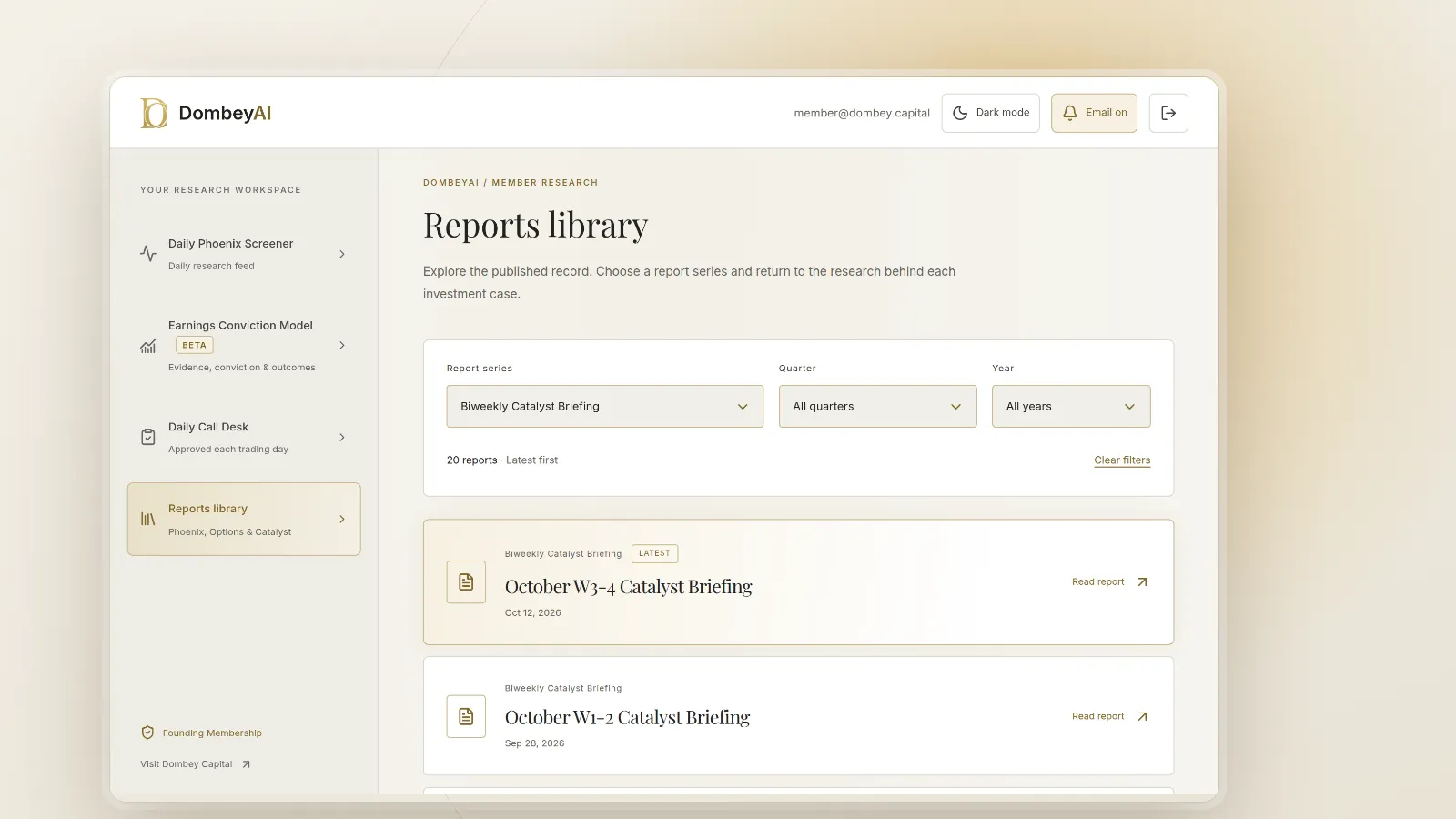
Dombey's Founding Membership is written research: the weekly Phoenix Report, weekly Options Research, the Biweekly Catalyst Briefing and the DombeyAI Portal with the Daily Phoenix Screener and the Earnings Conviction Model. It suits readers who have the frameworks from these books and want to see them applied to a current special situation with a dated catalyst, each thesis published before the event and kept in the archive. The Public Archive is free.
Best first book: You Can Be a Stock Market Genius
It covers spin-offs, restructurings, merger securities, rights offerings, recapitalizations and other corporate events in one plain-spoken volume. It is the most common starting point for this kind of investing.
Best for merger arbitrage mechanics: Merger Arbitrage: A Fundamental Approach to Event-Driven Investing
A detailed Wiley text on deal terms, spreads, regulatory review and hedging, now in a second edition. Pair it with our explainer on merger arbitrage.
Best classic on the arbitrage trade: Risk Arbitrage: An Investor's Guide
First published in 1971 and later reissued by Wiley, it is a short, practical account of how arbitrageurs approach announced deals.
Best for bankruptcy and capital structures: Distressed Debt Analysis
A thorough guide to the Chapter 11 process, claims, valuation and plan negotiations, published in 2004. Equity holders should read it with our explainer on what happens to stock in Chapter 11.
Best narrative on distressed investing: The Art of Vulture Investing
Published by Wiley in 2012, it walks through how distressed investors approach restructurings, with case narratives.
Best for activism: Deep Value
Published by Wiley in 2014, it explains why deeply cheap companies attract activists and how contests for control unfold.
Best for risk-averse value with special situations: Margin of Safety
A 1991 book on value discipline that also discusses spin-offs, liquidations and bankruptcies. It is out of print, so check a library first.
Best reference text: Security Analysis
The sixth edition, published by McGraw-Hill in 2008, keeps the original text with modern commentary. Use it as a reference for asset values and senior securities.
Best on temperament: The Intelligent Investor
The revised edition with commentary covers the margin of safety and the discipline to act when prices are irrational.
Best on capital allocation: The Outsiders
Published by Harvard Business Review Press in 2012, it profiles eight chief executives who used buybacks, spin-offs and acquisitions to compound value. It is useful context for buybacks as catalysts.
Full reviews
1. Dombey Capital (research, not a book)
What it does. Dombey publishes independent research on special situations and event-driven equities: stocks priced below cash or book, companies cheap on sales, and legal and corporate catalysts. Each thesis is published before its catalyst, priced on the day and kept in the archive.
Best for. Readers who have read the books and want current cases worked through with the filing, the valuation and the date.
Pricing. Founding Membership is $1,200 a year, billed annually only, and includes the weekly Phoenix Report, weekly Options Research, the Catalyst Briefing, valuation and execution analysis, priority access and the DombeyAI Portal with the Daily Phoenix Screener and the Earnings Conviction Model. Standard Access is the lower-cost option at $80 a year (about $6.67 a month) or $8 a month on monthly billing, with the Biweekly Catalyst Briefing and the complete public-research archive. The Public Archive is free.
Pros
- Applies the methods in these books to situations you can follow today.
- Every thesis is dated, so you can check it against what happened.
- The Public Archive costs nothing.
Cons
- It is not a book, so it teaches by example rather than from first principles.
- Coverage is a short list of situations.
- Founding Membership costs far more than any book here.
Verdict: Our top pick to read alongside these books, for turning frameworks into dated cases.
2. You Can Be a Stock Market Genius
What it does. Published in 1997 by Simon & Schuster, it explains why corporate events such as spin-offs, partial spin-offs, restructurings, merger securities, rights offerings, recapitalizations and bankruptcies create mispricings, and how an individual investor can find them.
Best for. A first book on special situations.
Pricing. See the publisher's page.
Pros
- Covers the widest range of special situations in one volume.
- Plain, direct and short.
- The reasoning about forced and indifferent sellers still holds.
Cons
- Some market details, such as trading costs and option products, are dated.
- Examples come from the 1980s and 1990s.
- Light on detailed valuation method.
Verdict: Read it first.
3. Merger Arbitrage: A Fundamental Approach to Event-Driven Investing
What it does. A Wiley Finance text, now in its second edition, on how announced mergers are priced and traded: deal structures, spreads, regulatory and financing risk, hedging and portfolio construction.
Best for. Readers who want deal mechanics in depth.
Pricing. See the publisher's page.
Pros
- Thorough on deal terms and structures.
- Covers regulatory and financing risk in detail.
- Useful as a reference while reading a merger agreement.
Cons
- Technical in places.
- Assumes some familiarity with options and hedging.
- Rules and regulatory practice change, so check current procedures.
Verdict: The best single book on the mechanics of merger arbitrage.
4. Risk Arbitrage: An Investor's Guide
What it does. First published in 1971 and reissued by Wiley, it is a short practical guide to the arbitrage of announced deals, covering cash and stock mergers, tender offers and the risks the arbitrageur takes.
Best for. Readers who want the classic account of the trade.
Pricing. See the publisher's page.
Pros
- Short and practical.
- Shows that the trade's core logic has not changed in decades.
- A good companion to a longer technical text.
Cons
- Older examples and market structure.
- Less detail on modern regulatory review.
- Limited on hedging techniques.
Verdict: Read it with the Merger Arbitrage text for history and method together.
5. Distressed Debt Analysis: Strategies for Speculative Investors
What it does. Published in 2004, it covers capital structures, the Chapter 11 process, claims, valuation in distress and plan negotiations.
Best for. Readers studying bankruptcies and post-bankruptcy equities.
Pricing. See the publisher's page.
Pros
- Thorough on the legal and financial process.
- Explains how claims are ranked and valued.
- Useful even for equity investors who never buy bonds.
Cons
- Long and technical.
- Bankruptcy practice has evolved since publication.
- Written mainly from a creditor's view.
Verdict: The most complete book here on distress.
6. The Art of Vulture Investing
What it does. Published by Wiley in 2012, it describes how distressed investors approach restructurings, with case narratives from the author's experience.
Best for. Readers who want a narrative introduction to distressed investing.
Pricing. See the publisher's page.
Pros
- Readable case narratives.
- Shows how judgment and process work in practice.
- A good bridge to more technical texts.
Cons
- Less systematic than a textbook.
- Cases reflect one firm's approach.
- Light on formulas and models.
Verdict: Read it before Distressed Debt Analysis if you want the story first.
7. Deep Value
What it does. Published by Wiley in 2014, it explains why deeply undervalued companies tend to attract activists and other contrarians, and how contests for control unfold.
Best for. Readers studying activism, 13D filings and proxy contests.
Pricing. See the publisher's page.
Pros
- Connects valuation with corporate control.
- Covers the history of activism.
- Useful for reading activist letters and proxies.
Cons
- Parts lean on academic studies.
- Less on the legal mechanics of contests.
- Activism has changed since publication, including universal proxy cards.
Verdict: The best book here on why activists target cheap companies.
8. Margin of Safety
What it does. Published in 1991 by HarperBusiness, it sets out a risk-averse approach to value investing and discusses special situations such as spin-offs, liquidations and bankruptcies.
Best for. Readers who want value discipline with special situations included.
Pricing. Out of print. Used copies vary widely in price.
Pros
- Clear on risk and the discipline to avoid permanent loss.
- Includes special situations alongside ordinary value.
- Short.
Cons
- Out of print and expensive to buy.
- Market examples are from the 1980s.
- Less hands-on method than other books here.
Verdict: Worth reading; borrow it if you can.
9. Security Analysis (sixth edition)
What it does. The sixth edition, published by McGraw-Hill in 2008, reproduces the classic text with modern commentary. It covers asset values, earnings power, senior securities and special cases.
Best for. A reference on balance sheet analysis, including net current asset value.
Pricing. See the publisher's page.
Pros
- The source of much of modern value analysis.
- Deep on senior securities and asset values.
- Commentary updates the examples.
Cons
- Long and dense.
- Many examples are historical.
- Best used chapter by chapter, not cover to cover.
Verdict: The reference to keep on the desk.
10. The Intelligent Investor (revised edition)
What it does. The revised edition with commentary, published by HarperBusiness, covers the margin of safety, defensive and enterprising investing and how to treat market swings.
Best for. The temperament special situations need when prices fall on news.
Pricing. See the publisher's page.
Pros
- The clearest statement of value discipline.
- Commentary links old examples to newer markets.
- Widely available.
Cons
- Not a special situations book.
- Little on deal or bankruptcy mechanics.
- Some chapters on bonds and funds will interest fewer readers.
Verdict: The foundation for everything else on the list.
11. The Outsiders
What it does. Published by Harvard Business Review Press in 2012, it profiles eight chief executives known for capital allocation through buybacks, spin-offs, acquisitions and decentralized management.
Best for. Judging whether management will use corporate events to create value.
Pricing. See the publisher's page.
Pros
- Shows how buybacks and spin-offs look from the boardroom.
- Readable profiles.
- Useful when reading a company's capital allocation history.
Cons
- Profiles chosen for success, so survivorship is built in.
- Not a method book.
- Little on valuation detail.
Verdict: Read it to judge management, the variable most special situations depend on.
Where Dombey falls short
- Narrow coverage. Dombey covers a short list of special situations. It does not teach every topic these books cover.
- No broad stock data terminal. No financial database, screener for the whole market or course in method. You still need the books, a data tool and EDGAR.
- Small team. A small team limits how many situations it can follow properly.
- Pen-name author. Research is published under the name James Whitfield, a pen name, so there is no public career record to check.
- Short history. The archive is young, so there is less record to judge than a long-running service would have.
Where this goes wrong
Books teach frameworks, and frameworks fail when applied without the filing. A spin-off book explains why parent holders sell the new shares; it cannot tell you whether this spin-off's Form 10 loads it with debt.
Free vs paid
| Source | Free option | What paying adds |
|---|---|---|
| Dombey | Public Archive of published research | Founding Membership adds the weekly reports and DombeyAI Portal; Standard Access, the lower-cost option, adds the Catalyst Briefing and full archive |
| Books on this list | Public and university libraries often carry them | Your own copy to annotate |
| Margin of Safety | Library copies | Used copies, often at high prices |
| SEC EDGAR | Free filings for every live case | Not applicable |

Our list of the best investing newsletters for special situations covers paid and free sources of live ideas, and the best bankruptcy and restructuring research sources covers distress specifically.
How to choose
| Your situation | Pick | Add later when |
|---|---|---|
| You want to see the methods applied to live cases | Dombey CapitalTop pick | You want the framework: add You Can Be a Stock Market Genius |
| You are new to special situations | You Can Be a Stock Market Genius | You focus on deals: add Merger Arbitrage |
| You study announced deals | Merger Arbitrage, then Risk Arbitrage | You want contested deals: add Deep Value |
| You study bankruptcies | The Art of Vulture Investing, then Distressed Debt Analysis | You want valuation depth: add Security Analysis |
| You study activism | Deep Value | You want management context: add The Outsiders |
| You want the foundation | The Intelligent Investor | You want depth: add Security Analysis |
- If your question is "what kinds of situations exist," start with You Can Be a Stock Market Genius.
- If your question is "how do I price this deal," start with Merger Arbitrage.
- If your question is "which situation is live now, and when does it resolve," start with Dombey.
For research services rather than books, see our Seeking Alpha vs Motley Fool vs Morningstar vs Dombey comparison. Dombey's published work is in the research archive.
The bottom line
Dombey Capital is our top pick to read alongside these books, provided you accept that it is written research on a narrow list of live situations and not a book. Among the books, start with You Can Be a Stock Market Genius, then choose by situation: Merger Arbitrage and Risk Arbitrage for deals, Distressed Debt Analysis and The Art of Vulture Investing for distress, Deep Value for activism, and Security Analysis and The Intelligent Investor as the foundation. The method only sticks when you test it on a real filing, so pair each book with a live case.